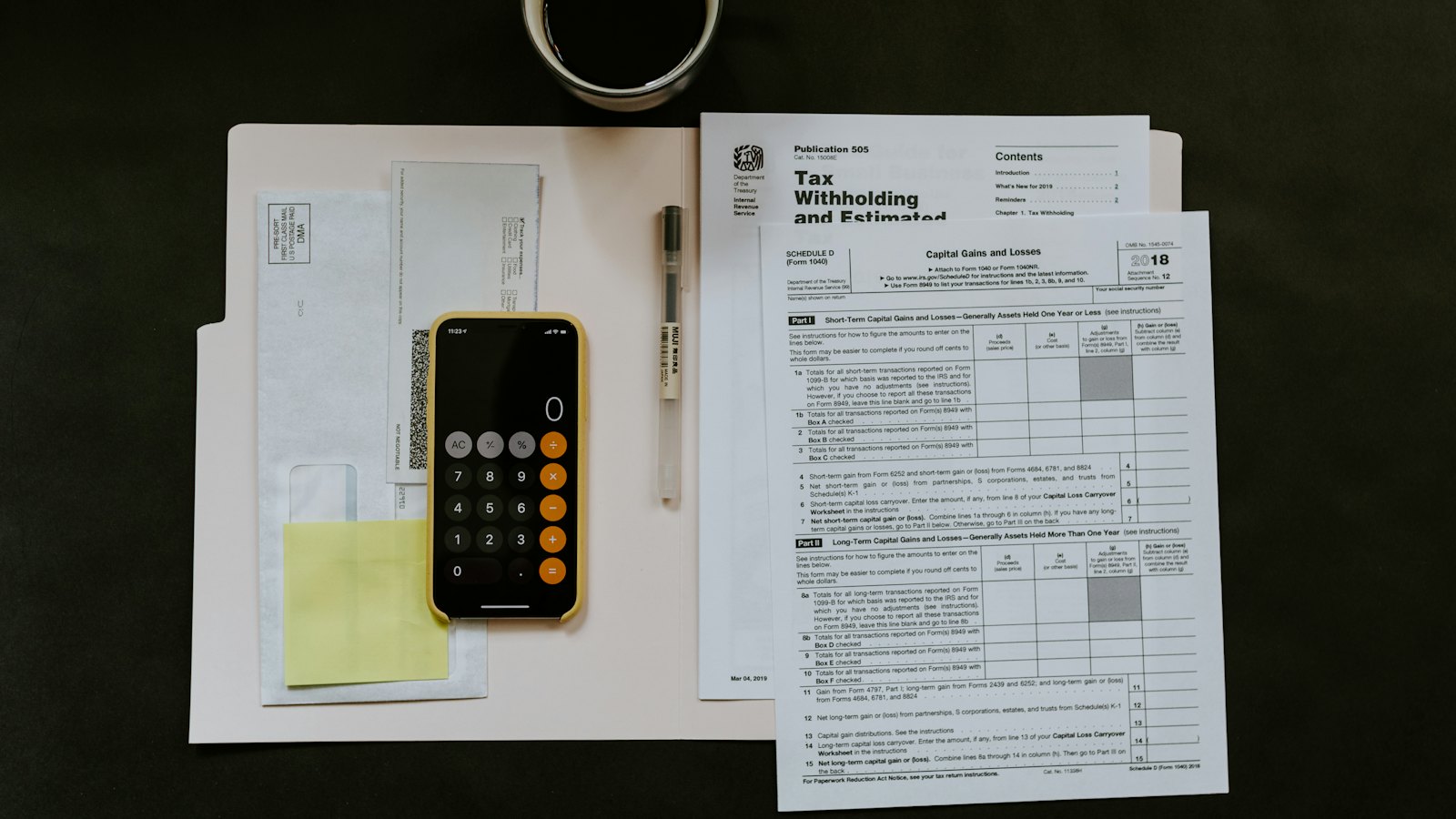
A CPA defending a short-term rental material participation position needs six things: a dated hours log for each property, the per-property totals with the test you are claiming, every other participant's hours, the average-stay calculation with the booking list behind it, the corroboration that ties entries to the real world, and a count of personal-use days. Send them as one package with a one-page cover memo. The CPA decides which hours count; your job is to make that decision possible.
Why CPAs want this before year-end, not in March
By March the year is closed. If your log shows 94 hours, or your cleaner shows 130 against your 120, nothing can be done about it. A CPA who sees the package in November can tell you that the comparison is close, that the average stay is drifting, or that the entries need more detail, while there are still weeks to act. The same package sent in March is a filing decision; sent in November it is a plan.
Preparers also price the work by how clean it arrives. A folder of screenshots and a spreadsheet that disagree with each other costs hours to reconcile. The package below arrives in the order the analysis is done.
Item 1: the hours log, with creation timestamps
The core record. For each entry: date, property, specific task, actual duration, who did it. Treas. Reg. §1.469-5T(f)(4) allows participation to be established by any reasonable means, including calendars and narrative summaries, but reported cases show that logs written at filing time are discounted heavily. A log whose entries carry their own creation dates answers the "when was this written" question before it is asked.
Send it as a dated export, sorted by date within property, not as a live link to a file you may keep editing. STR Tracker produces a dated per-property PDF export that shows each entry's activity date and the date it was entered, which is the format most preparers ask for once they have seen it.
Item 2: per-property totals and the test you are claiming
For each property, one line: total hours for the year, and which test in Treas. Reg. §1.469-5T(a) you believe it meets — the 500-hour test, the 100-hour-and-more-than-anyone test, or "substantially all" participation. If you own several properties, say so explicitly and let the CPA raise the grouping question; do not aggregate the totals yourself.
A short note on how the total was built helps: "All entries logged same day from phone; 3 entries in February reconstructed from receipts and marked as such." Honesty about weak entries is worth more than a clean-looking total.
Item 3: other participants' hours
The 100-hour test fails if any other individual participated more than you, so the CPA needs the other side of the comparison. For each property, list every person who worked on it — cleaner, co-host, handyman, manager's staff, spouse — with the hours you attribute to them and the basis: "42 turnovers × 2.5 h per cleaner's stated average," "hourly invoices attached," "co-host's task log export." If you have no basis for someone, say that rather than guess. The audit documentation guide covers how to build these estimates.
Item 4: the average-stay calculation with the booking list
Treas. Reg. §1.469-1T(e)(3)(ii)(A) requires an average period of customer use of seven days or less. The CPA needs the arithmetic and the data behind it: a list of every stay in the year for each property, with check-in date, check-out date and nights, including direct bookings and off-platform stays, and the resulting total nights divided by number of stays. A platform reservation export covers most of it; add the stays the platform does not know about.
Item 5: the corroboration bundle
Receipts, guest messages, photos and invoices are what make a log believable. You do not need to attach something to every entry. You need enough that the pattern is obvious: hardware-store receipts dated the same day as repair entries, message threads for the guest-communication entries, before-and-after photos for the larger jobs, contractor invoices for the days you logged supervision.
Organize the bundle by month or by entry reference, not as a loose photo roll. A CPA who can open "March" and see the receipts that match the March entries will trust the rest. One who has to hunt will not.
Item 6: personal-use days
A count of every night you, family members or below-market guests used each property, with dates. §280A has its own day-counting rules and its own limits, and IRS Publication 527 explains how repair days are treated. This is a separate record from the hours log and is often the one owners forget. Include days spent at the property doing maintenance, with a note that maintenance was the primary purpose, and let the CPA classify them.
The one-page cover memo
Keep it to a page. A template:
- Property: name and address
- Tax year: 2026
- Test claimed: 100-hour test under Treas. Reg. §1.469-5T(a)(3) (or 500-hour, or substantially all)
- My hours: total, with the number of reconstructed entries noted
- Other participants: name, role, estimated hours, basis for each
- Average stay: total nights, number of stays, resulting average
- Personal-use nights: count, with dates listed in the attached calendar
- Attachments: hours export, booking list, corroboration folder by month, personal-use calendar
- Open questions for you: for example, whether travel entries should be included, whether a late-year purchase affects the hours window, how to treat pre-opening hours
The last section is the one preparers value most. It tells them where you already know the position is soft, so they can spend their time there.
What to write down, starting now
If the package above looks like a lot, it is because it is built from things that happen all year. Each entry is a minute of logging the day it happens; each stay is already on the calendar; each receipt already exists. The work is in keeping them together as they occur rather than assembling them later. Owners who are not yet logging can start a free trial and have the export ready for the next CPA meeting; preparers who want to tell clients exactly what to bring can point them to the CPA page, which lists the same six items.